During this week’s lecture, we explored photography. We looked at when photography was introduced and how it was so revolutionary. Photography was like an advanced form of painting. Photographers could do the job of realistic painter at the time, only a lot faster and cheaper. We covered some key figures in photography who are some of the most famous photographers in photography history.
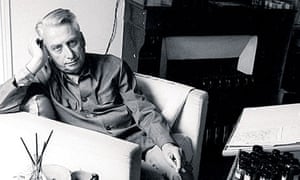
Photography was also focused on within our reading ‘Camera Lucinda’ by Roland Barthes. Barthes conveys his perspective on photography and the foundations it holds. It was interesting to read but I found it quite challenging because of the way he uses his language. He emphasises the fact that photography mechanically repeats what can never be repeated existentially. By this he means that a moment in life can never actually be repeated, it is unique. Capturing a unique moment in a photograph, is the closest thing we have to visually remembering a certain situation. For example, if I look back in a photo album- I’ll reflect and remember times I never realised I forgot about. Barthes talks about how a photo is really only to look at. For example, when showing someone a photo, you would usually say “look this is my cat” or “this is me when I was young”.
I believe that the message told by Barthes is definitely true, but I think we have evolved, and photography has broadened today. Barthes observed that a photograph is the object of three emotions: to do, to undergo, to look. There is a photographer, the Spectator (is the audience), and the Target is the person being photographed. At the time, this was correct and there was a clear distinction between the ‘emotions’ of a photograph. Although, nowadays, photography grows alongside the evolution of technology. There are now social media platforms where photos can be taken on a mobile phone and shared with people all over the world. Photographs are now a means of communication. The ‘emotions’ of photography aren’t so strict, for example, the introduction of self-timer wipes out the origins of a photographer. Photos now can be used to update family and friends on what is happening in your life.
 Design Contexts